


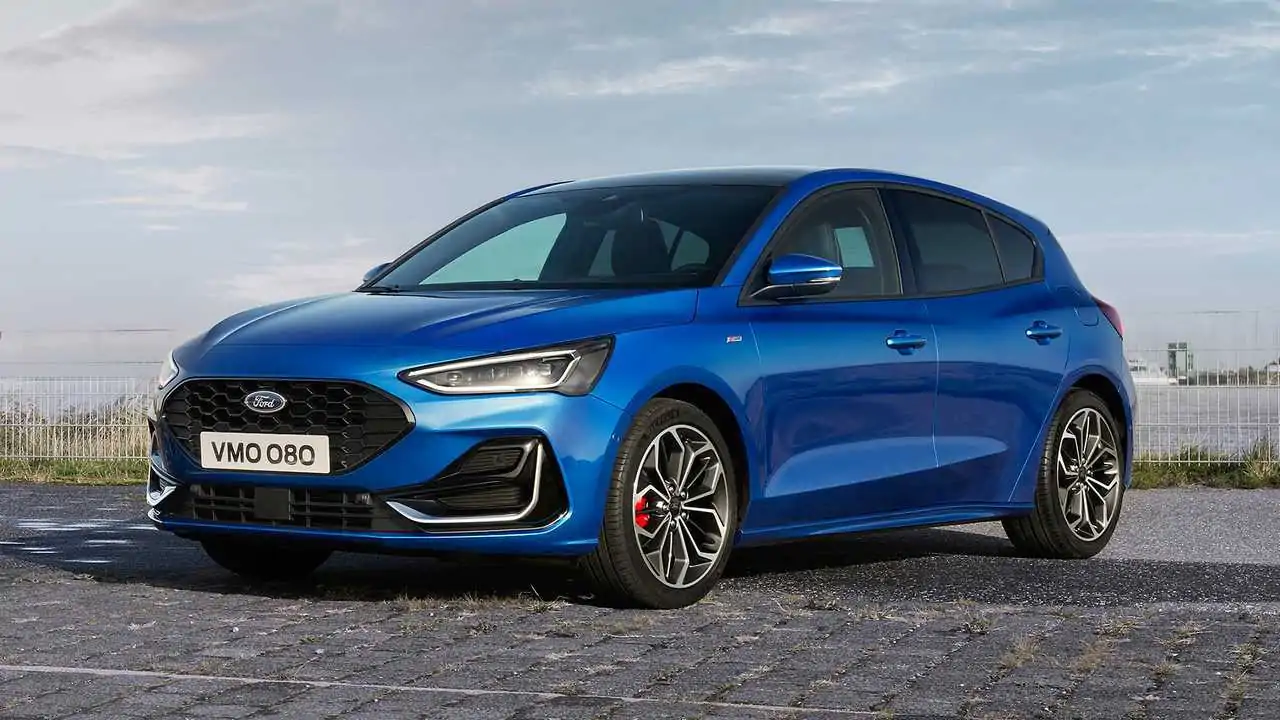
The Ford Focus discontinuation marks one of the biggest turning points in Ford’s modern history. After nearly three decades of strong sales, global popularity, and millions of units on the road, Ford has now officially ended production of the iconic compact car. What started in the late 1990s as one of the world’s most successful small cars has come to a complete stop — and the automotive world is feeling it.
This move isn’t just the end of a model; it reflects a much larger shift in strategy, market trends, and the type of vehicles Ford wants to build moving forward. Here’s a full breakdown of why the Focus was discontinued, what happened behind the scenes, and what this means for European and global markets.
The Final Ford Focus Has Been Built
The last-ever Ford Focus rolled off the production line in Saarlouis, Germany, officially closing the chapter on 27 years of continuous manufacturing. The final unit was a white, five-door hatchback, quietly completed and confirmed by Ford Europe executives. This was the same factory that had been producing the Focus since its early days, making its closure even more symbolic.
Production ending wasn’t a surprise — Ford had been signaling this direction for months — but the announcement still feels heavy for longtime fans, especially those who grew up with the Focus as a mainstream family favorite.
A Long List of Discontinued Ford Cars
The Ford Focus discontinuation is just one part of a broader trend. Ford has been phasing out traditional passenger cars in Europe for years:
- Ford Fiesta ended production in 2023.
- Ford Mondeo was discontinued in 2022.
- Ford Ka left the lineup back in 2020.
With the Focus now gone, Ford officially no longer sells a mainstream hatchback or sedan in major European markets. Instead, the brand’s lineup is dominated by:
- SUVs
- Crossovers
- Commercial vehicles
- A few niche models such as the Mustang
This shift has dramatically reshaped Ford’s identity in Europe — moving away from everyday family cars to a portfolio that focuses on profit-heavy, lifestyle-oriented models.
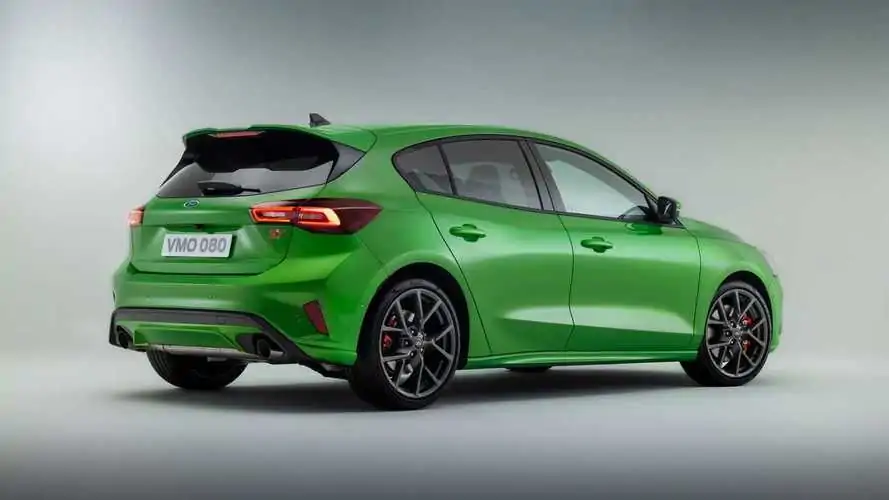
Why Was the Ford Focus Discontinued?
Many people assume declining sales were the reason, but the truth is more complex. According to Ford’s leadership, the biggest factors were profit margins and capital allocation.
✔ 1. Profitability Was Too Low
Even though the Focus remained popular, Ford executives openly admitted the car didn’t generate enough profit. To stay competitive in the compact car segment, automakers must invest heavily in:
- new platforms
- advanced safety features
- electrification
- emissions compliance
- interior technology
These investments cost billions — and Ford simply couldn’t justify them for a low-margin vehicle.
✔ 2. Shift Toward “Iconic Vehicles”
Ford’s CEO made a bold statement:
“We’re getting out of the boring-car business and into the iconic-vehicle business.”
This suggests Ford wants to prioritize models with strong emotional appeal, such as:
- Bronco
- Mustang
- Explorer
- Electric crossovers and SUVs
Traditional hatchbacks like the Focus, despite being loved, didn’t fit the new vision.
✔ 3. Market Demand Is Moving Toward SUVs
Across Europe and globally, consumer preferences have shifted dramatically. Compact cars are losing ground to:
- small SUVs
- high-riding crossovers
- hybrid family carriers
The Focus was still relevant, but the segment around it has shrunk year after year.
How Discontinuation Is Affecting Ford’s Market Share
One of the most concerning consequences is Ford’s shrinking market share in Europe. After discontinuing models like the Mondeo, Ka, and Fiesta — and now the Focus — Ford’s position in the passenger-car market has weakened.
- In 2015, Ford’s European market share was 7.2%.
- By 2025, it fell to just 3.3%.
Experts predict further decline in 2026 — the first year Ford will have no regular mainstream car available in European showrooms.
Meanwhile, competitors who still believe in compact cars — like Volkswagen, Renault, Toyota, and Peugeot — continue dominating with best-sellers such as:
- VW Golf
- Renault Clio
- Dacia Sandero
- Toyota Yaris
- Peugeot 208
- Skoda Octavia
This shows that customer demand for compact cars didn’t disappear — Ford simply stepped away from it.
Is Ford Planning a Comeback?
Interestingly, Ford may not be done with this segment entirely. Reports from European business insiders suggest that Ford may launch a new model close to the size of the Focus — but not a traditional hatchback.
Instead, the rumored replacement is expected to be a Focus-sized crossover, possibly slotting between current SUVs and appealing to customers who want something compact but still SUV-inspired.
This new vehicle is still unconfirmed, and its relationship to the Kuga (Escape in the U.S.) remains unclear.
For now, Ford’s European future seems SUV-heavy — with the Focus chapter completely closed.
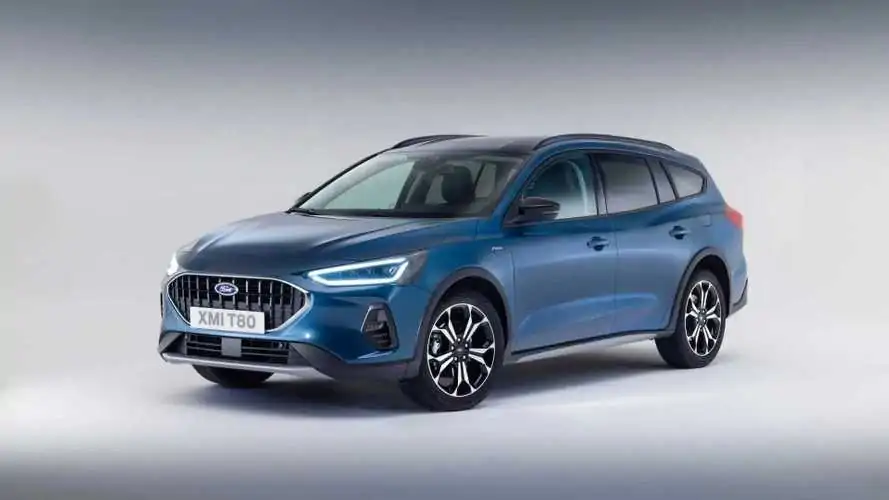
What the Ford Focus Discontinuation Means for Drivers
The end of the Focus has several real-world impacts:
✔ 1. Higher Used-Car Demand
Fans of the model may turn to the used market, which will likely raise resale value for clean, low-mileage Focus units.
✔ 2. Parts and Servicing Will Remain Available
Even though production has stopped, Ford will continue to supply parts, support networks, and maintenance for many years.
✔ 3. Fewer Affordable Ford Models
Ford’s pivot means fewer budget-friendly options, which may push customers toward rivals.
✔ 4. A Changing Identity for Ford Europe
The brand is becoming more SUV- and EV-focused, leaving behind the “everyday family car” image.
A Look Back at the Legacy of the Ford Focus
From its debut in 1998, the Focus became one of the most influential compact cars in the world — known for:
- sharp handling
- practical design
- strong fuel efficiency
- reliability
- global appeal
- sporty variants like the Focus ST and Focus RS
It won countless awards and sold millions worldwide, earning a reputation as a fun, dependable daily driver. Its discontinuation closes a remarkable chapter in automotive history.
Conclusion: The End of the Focus, The Beginning of a New Strategy
The Ford Focus discontinuation is not just the end of a popular model — it’s a symbol of Ford’s dramatic shift toward high-margin SUVs, electrification, and emotionally driven vehicles. While fans understandably feel disappointed, Ford sees the decision as a necessary move to remain competitive and profitable in a rapidly changing market.
Whether the company will one day return to the compact-car world remains uncertain. But one thing is clear: the legacy of the Ford Focus will not be forgotten anytime soon.